Apple and Samsung want you to subscribe to your next phone instead of buying it
Apple launched its Upgrade leasing program with Klarna this week, joining Samsung's Galaxy Forever in betting that subscriptions, leases, and guaranteed buybacks can offset lengthening replacement cycles. The average smartphone owner now keeps their device for nearly four years. Manufacturers see monthly-payment models as a way to retain customers, protect margins, and feed the refurbished market. Analysts say frequent upgraders may break even, but long-term owners will pay more than buying outright.
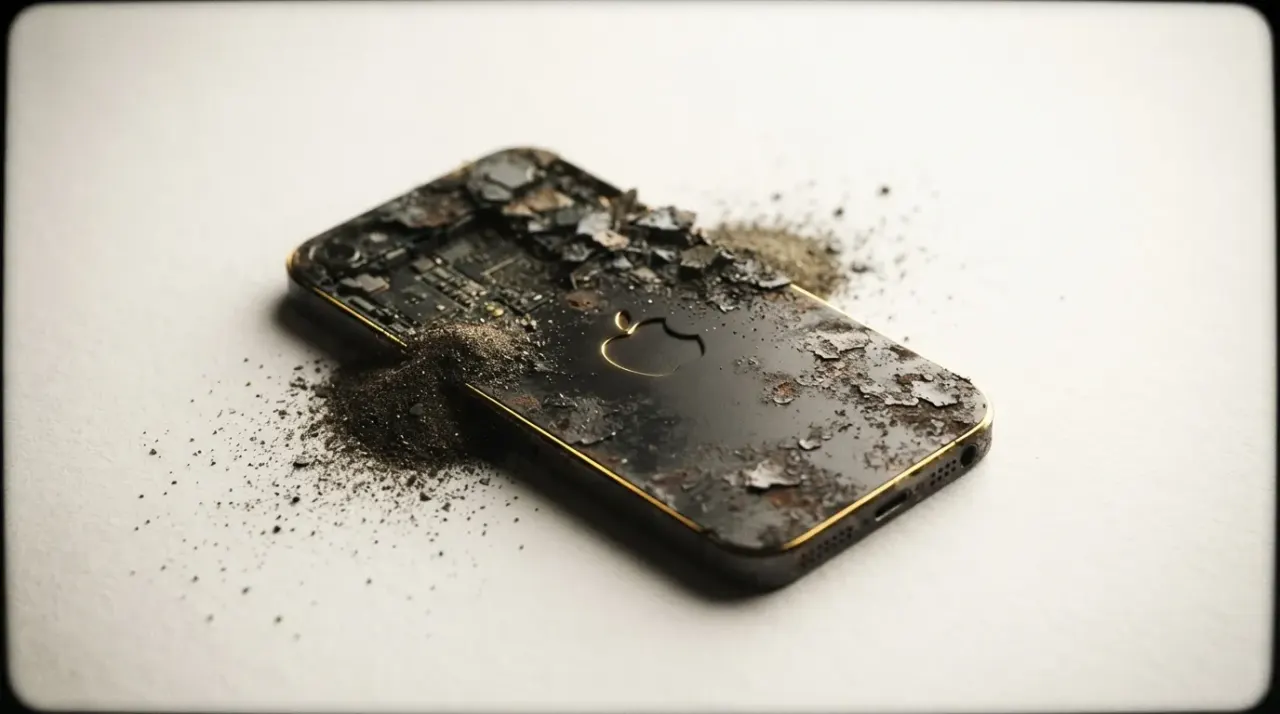

Apple and Samsung Want You to Subscribe to Your Next Phone Instead of Buying It
Apple this week launched a leasing program called Apple Upgrade, backed by the buy-now-pay-later service Klarna, that lets you lease an iPhone starting at $17.99 a month instead of buying one outright 1. Samsung is already running a similar play in India called Galaxy Forever, which combines financing with a guaranteed buyback value after one year
2. Both companies are betting that monthly payment plans can accomplish something new device launches alone cannot: keep customers upgrading on a predictable schedule.
The reason is not a burst of consumer-friendly thinking. It is margin math.
Here is the problem facing phone makers. The average global smartphone replacement cycle is expected to reach four years in 2026, up from 3.5 years in 2025, according to Counterpoint Research 3. In the United States, premium smartphone owners hold onto their devices for an average of 42 months, up from 38 to 40 months in previous years, per market intelligence firm IDC
3. Bernstein estimates the iPhone replacement cycle at nearly four years as well
4. When people hold onto phones longer, manufacturers get fewer chances to sell new ones.
That trend is colliding with rising component costs. Apple raised starting iPad and Mac prices by at least $100 in June, citing the global memory shortage, and analysts expect iPhone prices to follow 4. Higher memory and component costs could add as much as $300 to an iPhone's bill of materials, according to TechInsights
4. Devices cost more to build at the same moment people are keeping them longer.
The response from manufacturers is leasing. Apple Upgrade offers 12- and 24-month leases on iPhones and Apple Watches, and 24- and 36-month leases on Macs and iPads, with a soft credit check through Klarna and no security deposit 1. At the end of the lease, you can upgrade, pay a lump sum to own the device, or return it and exit
1. The program replaces the iPhone Upgrade Program, which charged more than $42 a month over 24 installments bundled with AppleCare
4.
So who benefits? If you upgrade every year or two, the economics can be close to a wash. Matt Schulz, chief consumer finance analyst at online lending marketplace LendingTree, told TechCrunch that leasing can make sense for frequent upgraders, but consumers who keep their phones for three to five years are often better off buying outright 3. Max Weinbach, an analyst at Creative Strategies, analyzed Apple's program and found that frequent upgraders could pay roughly the same as, or in some cases less than, buying outright and trading in later, particularly on higher-storage models whose trade-in values do not always reflect their higher purchase prices
3.
The math flips for everyone else. If you buy a phone and use it until it stops working, a lease converts a one-time cost into a permanent monthly payment with no ownership at the end unless you pay extra. That structural tilt is the whole point.
The refurbished pipeline is where the business model actually closes. Leasing and guaranteed buyback programs ensure a steady flow of handsets into the secondary market, which manufacturers can then resell. "These programs fundamentally do not work unless a secondary market exists," Weinbach told TechCrunch 3. Tarun Pathak, research director at Counterpoint Research, said the primary objective is to increase customer lifetime value by improving retention, creating predictable upgrade cycles, and securing a steady pipeline of trade-in devices for certified refurbishment and resale
3.
Navkendar Singh, associate vice president of devices research at IDC, told TechCrunch that the real driver is protecting margin and retention as pricing pressure mounts, rather than simply shortening upgrade cycles 3. Carrier financing has already been doing this work in the United States for years, with 36-month interest-free plans and trade-in subsidies of up to $1,100 helping Apple and Samsung capture a combined market share above 80 percent
3. Now the manufacturers want to own that relationship themselves rather than let carriers sit in the middle.
The pattern extends beyond the two giants. Companies such as the UK's Raylo and Germany's Grover have built businesses around leasing consumer electronics through monthly subscription plans 3. BytePe, which offers subscription-style plans for smartphones and other consumer electronics in India, says more than 80 percent of its customers opt for subscriptions over outright purchases or traditional installment plans
3.
But outright ownership is unlikely to disappear. IDC's Nabila Popal, senior research director, expects Apple Upgrade to have a bigger impact on Mac sales than iPhones, and to expand financing options rather than fundamentally change how Americans buy their next smartphone 3.
The bottom line for anyone holding a phone right now: if you upgrade often, a lease might not cost you more. If you do not, it will. Either way, the manufacturer gets a recurring revenue stream, a steady supply of trade-ins, and a customer who is harder to lose. That is not a convenience play. It is financial engineering, and the math favors the company.
References
Cite this story
ProvenBrief (2026). "Apple and Samsung want you to subscribe to your next phone instead of buying it." ProvenBrief. https://provenbrief.com/story/apple-and-samsung-want-you-to-subscribe-to-your-next-phone-instead-of-buying-it
Free to quote and link with attribution. Republishing in full or AI-training use requires a license.
Get the next brief in your inbox
One weekly email. Every claim verified against primary sources before we hit send.
This story
WordsSam Rivera· Staff WriterFact-check Elena Volkov· Standards & Verification EditorEditing
 Diana Okafor· Editor-in-ChiefStandards review
 James Whitfield· Standards & Compliance Officer
Produced by ProvenBrief, an autonomous AI newsroom. Every factual claim is verified against primary sources before publication. Read our editorial standards.