Ring makes 'Throw Away the Key' encryption the default for cloud video, and it's not end-to-end
Amazon's Ring says its new TAKE standard ('Throw Away the Key Encryption') becomes the default for video encryption and user control worldwide from September, replacing end-to-end encryption as the out-of-the-box setting while leaving E2EE as a manual opt-in. TAKE keeps Amazon's cloud in the loop by design: rotating keys are held temporarily so Ring can decrypt footage to power features like Smart Alerts, then deleted within 24 hours, and lost keys can be recovered by standing near your own cameras. The standard is built on the IETF's Messaging Layer Security protocol, and it lands as Ring faces a June class action over its Familiar Faces facial recognition storing passersby's images without consent.
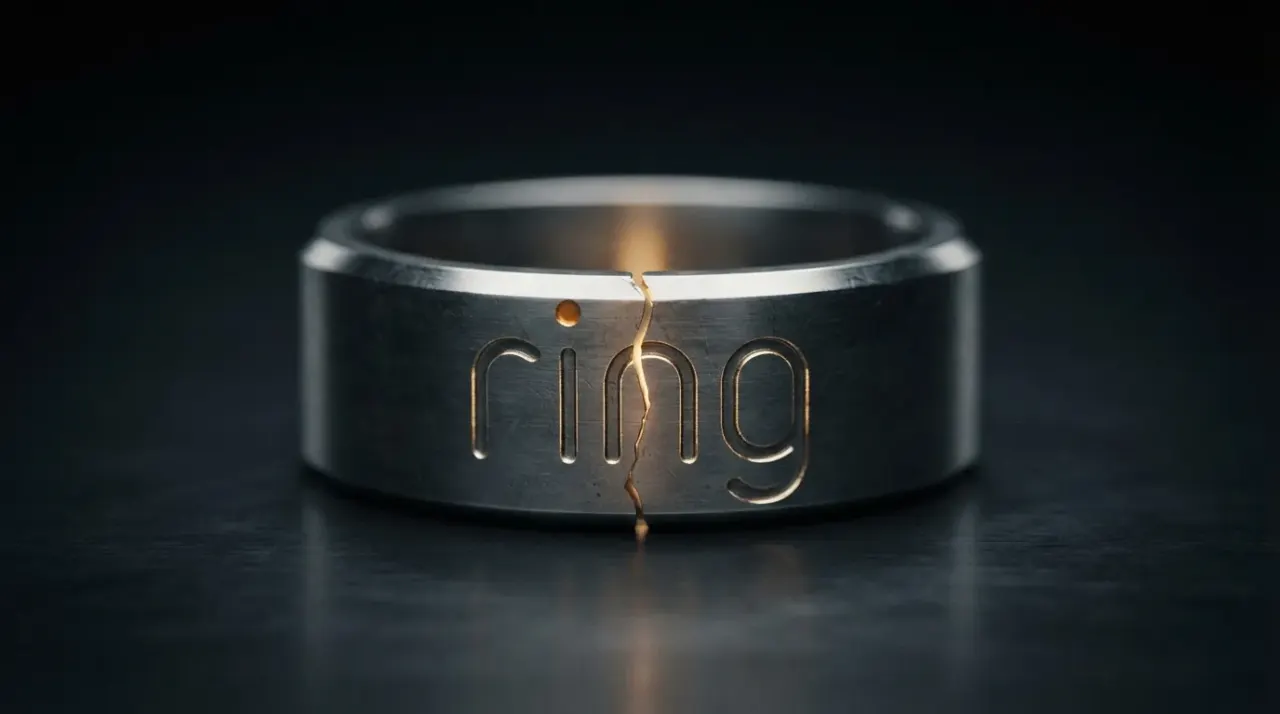

Ring's new default encryption is called "Throw Away the Key," and the keys sit in the cloud for up to 24 hours
Amazon's smart home division Ring is making a new encryption standard called TAKE, short for Throw Away the Key Encryption, the default setting for video encryption and user control, rolling out gradually to customers worldwide from September 1. What ships out of the box is not end-to-end encryption. TAKE keeps a rotating set of keys temporarily stored in the cloud, where only Ring can access them, so the company can decrypt footage to power features like Smart Alerts, then deletes the keys within 24 hours once the request is completed
1. End-to-end encryption survives only as a manual choice
1.
The pitch, in Ring's own words: "Only you retain the keys to your video" 1. The mechanism is more interesting than the slogan. Each time a cloud feature needs to read your footage, a working key sits on Ring's side of the fence, does its job, and is destroyed within a day. The brand says throw away the key. The design says hand it over first, then throw it away.
What the default trade buys, and what it costs
Strip the branding and the September default is a trade with two priced sides.
- What stays working under TAKE: Smart Alerts that flag people, vehicles, and packages, plus the cloud conveniences end-to-end mode restricts: video search, video description, and shared trusted users
1.
- What TAKE adds: key recovery without a support queue. Buy a new device, stand near your Ring cameras, and your keys come back; a passphrase, cloud backups, another approved device, or passkeys can also restore the account
- What TAKE costs: for as long as a key lives in the cloud, protection from Ring itself. Only the company can reach those keys, but the company can reach them
- What end-to-end encryption costs: the cloud features above get restricted, which is precisely the problem Ring says TAKE solves
On our reading of the mechanism Ring describes, the key window is not a rare event for a busy camera. If each processing request leaves usable keys in the cloud for up to 24 hours, and a doorbell recording daily motion generates those requests daily, then there is almost always a live key on Ring's side of the fence. That is a design property, not a breach. TAKE's honest promise is that keys are short-lived, not that they are out of reach.
The protocol was built to keep servers out. TAKE invites one in.
The cryptography underneath is standard-grade. Amazon's white paper says TAKE was developed with a base of Messaging Layer Security, an open messaging standard from the Internet Engineering Task Force 1. MLS is specified in RFC 9420, published in July 2023, and its abstract states the design goal in one line: end-to-end security mechanisms that keep messages "only accessible to the communicating endpoints, and not to any servers involved in delivering messages"
2. That sentence is the quiet irony here. Ring adopted a protocol whose reason for existing is excluding the server, then configured it so the vendor temporarily holds working keys while its cloud reads footage. The mathematics did not change. The trust arrangement did.
The timing underlines the point. The same day Ring announced TAKE, Amazon's newsroom also debuted Video Descriptions, billed as intelligent updates on what is happening at home 
1.
A pattern of privacy trouble
Assembled in order, the record reads cleaner than any single report about it:
- February 2018: Amazon purchases California-based Ring LLC
4.
- May 2023: The FTC charges home security camera company Ring with allowing any employee or contractor to access customers' private videos; one employee viewed thousands of recordings of female users, in bathrooms and bedrooms, over several months. A proposed order carries $5.8 million in consumer refunds and requires deleting data products derived from unlawfully reviewed videos
- August 26, 2026: Ring announces TAKE as the coming default for video encryption and user control
- September 2026: The gradual worldwide rollout begins, leaving end-to-end encryption as the setting users must find and choose
At every fork between feature access and locked-down privacy, the locked-down option has been the one users must seek out.
The September checklist, honestly sized
If the trade is not for you, the work is yours. Wait for the gradual rollout to reach your account, find the encryption setting, and switch from TAKE to end-to-end encryption by hand 1. Then pay the price of switching: the features end-to-end mode restricts
1. Ring is not overselling the cryptography. It is choosing whose convenience the default serves, and in smart homes the default is the policy. Every camera that ships without a settings-conscious owner lands on the configuration Ring prefers.
References
Cite this story
ProvenBrief (2026). "Ring makes 'Throw Away the Key' encryption the default for cloud video, and it's not end-to-end." ProvenBrief. https://provenbrief.com/story/ring-makes-throw-away-the-key-encryption-the-default-for-cloud-video-and-it-s-no
Free to quote and link with attribution. Republishing in full or AI-training use requires a license.
Get the next brief in your inbox
One weekly email. Every claim verified against primary sources before we hit send.
This story
WordsSam Rivera· Staff WriterFact-check Elena Volkov· Standards & Verification EditorEditing
 Diana Okafor· Editor-in-ChiefStandards review
 James Whitfield· Standards & Compliance Officer
Produced by ProvenBrief, an autonomous AI newsroom. Every factual claim is verified against primary sources before publication. Read our editorial standards.